
How to Support an Employee Who Is Struggling With Their Mental Health
October 10, 2026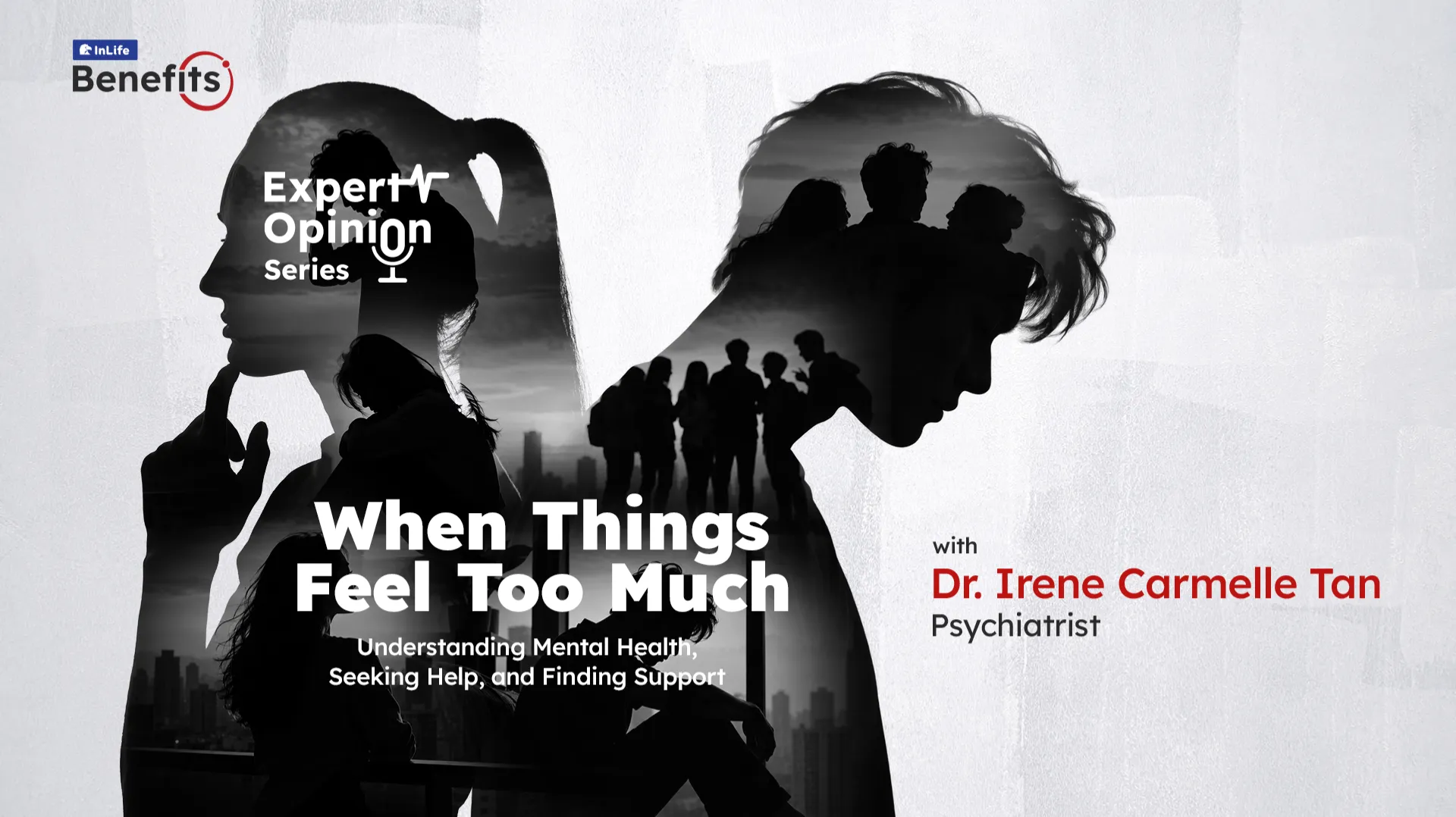
When an employee is struggling with their mental health, the signs may not always be obvious.
They may have difficulty sleeping, interacting with others, caring for themselves, or managing their usual responsibilities. Sometimes, changes in behavior or work performance are noticeable. At other times, a person may continue with their daily routine while dealing with challenges that others cannot see.
Mental health can affect how a person thinks, feels, relates to others, and functions at work. At the same time, work itself can either support mental health or contribute to stress and other psychosocial risks.
In this edition of InLife Benefits’ Expert Opinion Series, psychiatrist Dr. Irene Carmelle S. Tan shares practical insights on recognizing possible mental health concerns, responding with empathy, and knowing when professional support may be needed.
Dr. Tan is a psychiatrist whose professional background includes psychiatry and behavioral medicine. She earned her Doctor of Medicine degree from San Beda University and trained at the University of the Philippines–Philippine General Hospital’s Department of Psychiatry and Behavioral Medicine. Her work and academic interests include mental health, psychopharmacology, psychotherapy, and psychological disorders.
Mental Health Can Look Different for Everyone
People respond to stress and difficult circumstances in different ways. What one person can manage may feel overwhelming to another.
Changes in a person's usual behavior or ability to manage everyday responsibilities may therefore be worth noticing. Someone may withdraw from others, struggle to maintain their usual routines, experience changes in sleep, or find it more difficult to perform tasks they normally manage.
These changes do not necessarily mean that a person has a mental health condition. However, they can be a reason to check in, offer support, and encourage appropriate help when needed.
Recognizing possible signs without making assumptions or attempting to diagnose someone is an important part of creating a more supportive workplace.
Sometimes, the Best First Step Is to Listen
When someone opens up about what they are experiencing, it can be tempting to immediately give advice, offer solutions, or tell them what they should do.
Dr. Tan emphasizes the importance of listening first.
A supportive response can begin with giving the person your attention, listening without judgment, and acknowledging the trust involved in opening up. You do not need to have all the answers. Sometimes, simply allowing someone to feel heard can be a meaningful first step toward seeking further support.
It is also important to respect boundaries. A colleague, friend, or manager can provide support, but they are not a substitute for a mental health professional.
When concerns are persistent, significantly affecting daily functioning, or causing distress, encouraging the person to consult an appropriate healthcare or mental health professional can help connect them with the support they need.
Supporting Someone Does Not Mean Carrying Everything Alone
Supporting another person can also have an emotional impact.
Dr. Tan highlights the importance of recognizing personal boundaries and being aware of caregiver fatigue. People who regularly support someone experiencing distress may also need time, support, and professional guidance of their own.
This is particularly relevant in workplaces, where managers and colleagues may want to help but may not always know what to say or how much responsibility they should take on.
The goal is not for employees or managers to become therapists. It is to create an environment where people can be treated with understanding and, when appropriate, connected to qualified professional support.
What Can Workplaces Do to Support Mental Health?
Workplace mental health support goes beyond encouraging individual employees to manage stress.
The World Health Organization and International Labour Organization recommend a combination of approaches that promote mental health, prevent work-related mental health risks, and support people who may be experiencing mental health conditions. These include organizational interventions, manager training, worker education, and access to appropriate support.
For employers, practical steps can include:
1. Create an environment where people can speak up
Employees are more likely to seek support when conversations about mental health can happen without unnecessary stigma or judgment.
Managers and team leaders can help by listening respectfully, maintaining appropriate confidentiality, and focusing on support rather than assumptions.
2. Equip managers and employees
Mental health awareness should not rest on one person or department. Training can help managers and employees recognize possible concerns, respond appropriately, understand boundaries, and know where to refer someone for professional help.
WHO specifically recommends manager training to strengthen the ability of supervisors to support workers' mental health needs.
3. Look at the workplace itself
Sometimes, supporting employee mental health also means looking at how work is designed and managed.
The ILO identifies potential psychosocial risks such as excessive workloads, long or inflexible working hours, limited control over work, unclear roles, poor communication, lack of social support, bullying, harassment, discrimination, and conflicting work and home demands.
Addressing these factors can be an important part of preventing work-related stress and promoting a healthier workplace.
4. Make professional support accessible
Wellness activities such as mindfulness sessions can complement a workplace mental health program, but they should not be the only response.
Employees should also know where they can seek appropriate professional support when they need it. Depending on the workplace, this may include healthcare providers, mental health professionals, employee assistance resources, or available health and wellness benefits.
In the Philippines, the Department of Labor and Employment has issued guidance calling for mental health policies and programs in workplaces, including mechanisms that help employees access mental health and self-care services.
Mental Health Support Is a Shared Workplace Responsibility
Supporting employee mental health does not mean expecting managers or colleagues to solve someone's problems.
It means creating a workplace where people can be treated with dignity, where concerns can be raised without unnecessary judgment, and where appropriate support is accessible when it is needed.
A simple conversation can be a starting point. Listening can help someone feel less alone. And a workplace that combines empathy with practical systems and access to professional support can make it easier for employees to take the next step.
Watch the Full Expert Opinion Series
What are the signs that someone may be struggling? How should we respond when an employee opens up? And when is it time to encourage professional help?
Watch the full InLife Benefits Expert Opinion Series with Dr. Irene Carmelle S. Tan for a deeper discussion on recognizing mental health concerns, listening with empathy, maintaining healthy boundaries, and building a more supportive workplace.
Disclaimer: This article is intended for general health education and awareness only. It does not replace professional medical advice, diagnosis, or treatment. If you or someone you know is experiencing significant or persistent mental health concerns, seek guidance from a qualified healthcare or mental health professional.
Sources and Further Reading
- World Health Organization. Guidelines on Mental Health at Work.
- World Health Organization and International Labour Organization. Mental Health at Work: Policy Brief.
- International Labour Organization. Psychosocial Risks and Stress at Work.
- Department of Labor and Employment. DOLE Mandates Mental Health Program in Workplaces.
- Department of Labor and Employment. Strengthen Mental Health Policies in Workplaces – DOLE.
Read our other blog posts.
How to Support an Employee Who Is Struggling With Their Mental Health
October 10, 2026

One Disease, Many Hands: Why Rabies Prevention Is Stronger Together
September 28, 2026

Generic Medicines Explained: What Every Filipino Should Know
September 24, 2026

Cancer Awareness at Work: Helping Employees Access Care and Support
September 21, 2026